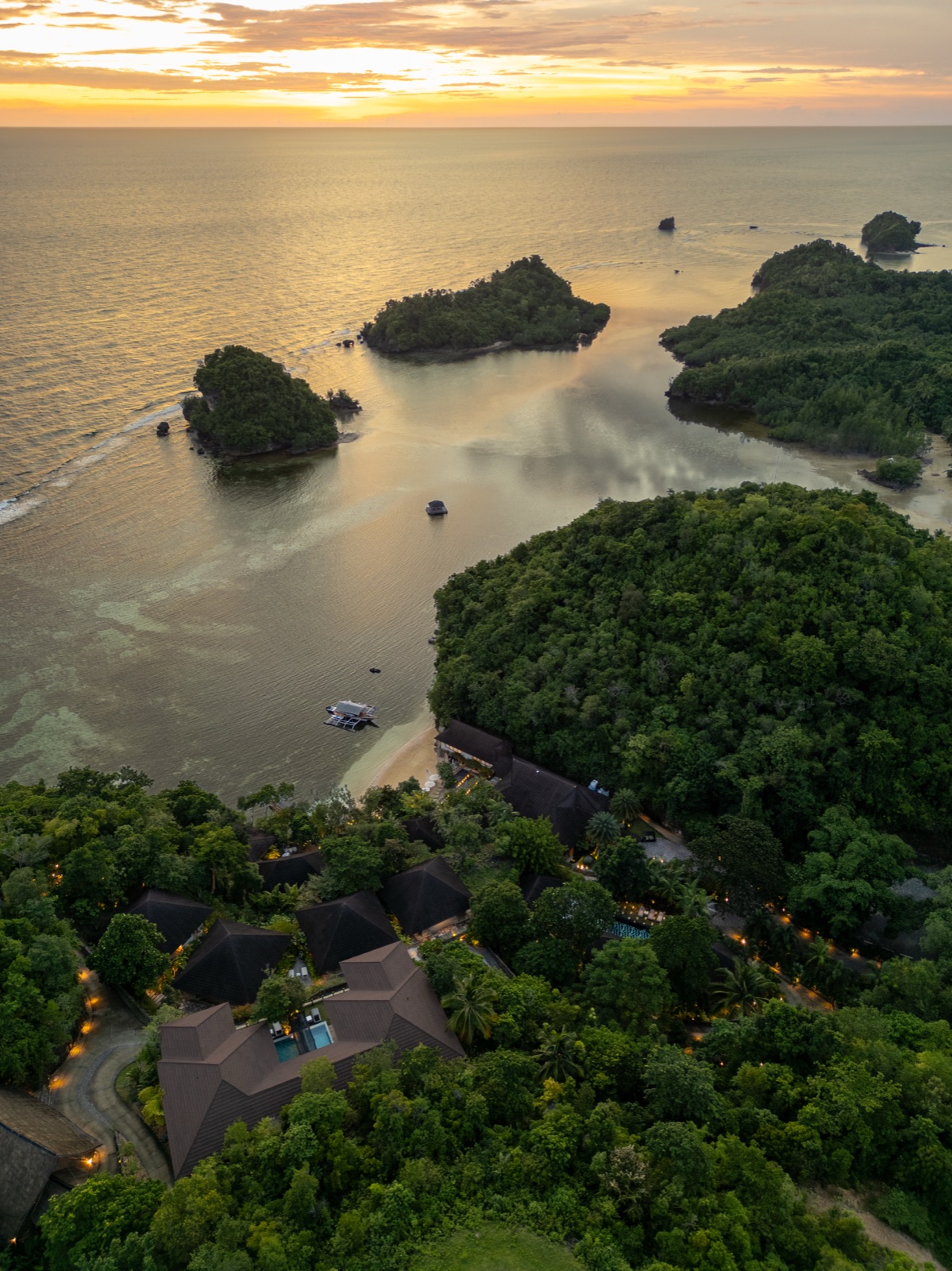
Manami Resort, the first and only luxury nature resort in Sipalay, has introduced two newly discovered offshore dive sites, Jonel’s Garden and G A P, offering guests access to one of the region’s most intact and least explored reef systems.
Located less than one kilometre from the resort and accessible within five to 10 minutes by boat, the sites sit within a broad offshore reef network west of Manami. Characterised by deep reef structures, coral formations and open blue water, the area remained largely undocumented until early 2026.
A New Chapter for Diving in Sipalay
The sites were identified during exploratory dives in March 2026. G A P was first discovered when a shifting current carried divers into an uncharted section of reef, revealing an expansive underwater landscape that had previously gone unnoticed. Jonel’s Garden was mapped shortly after, uncovering a second site defined by intricate coral formations and thriving marine life.
Together, the two sites represent a significant addition to Sipalay’s dive offering, particularly for experienced divers seeking less frequented, high-quality reef environments.
“Even in a place like Sipalay, there are still parts of the ocean that remain largely unexplored,” said Cristina Corro, Founder of Manami Resort. “The discovery of these sites reinforces how much there is still to protect and understand. For us, it is about creating access in a way that remains thoughtful, controlled and respectful of the ecosystem.”
Distinct Dive Environments and Marine Encounters
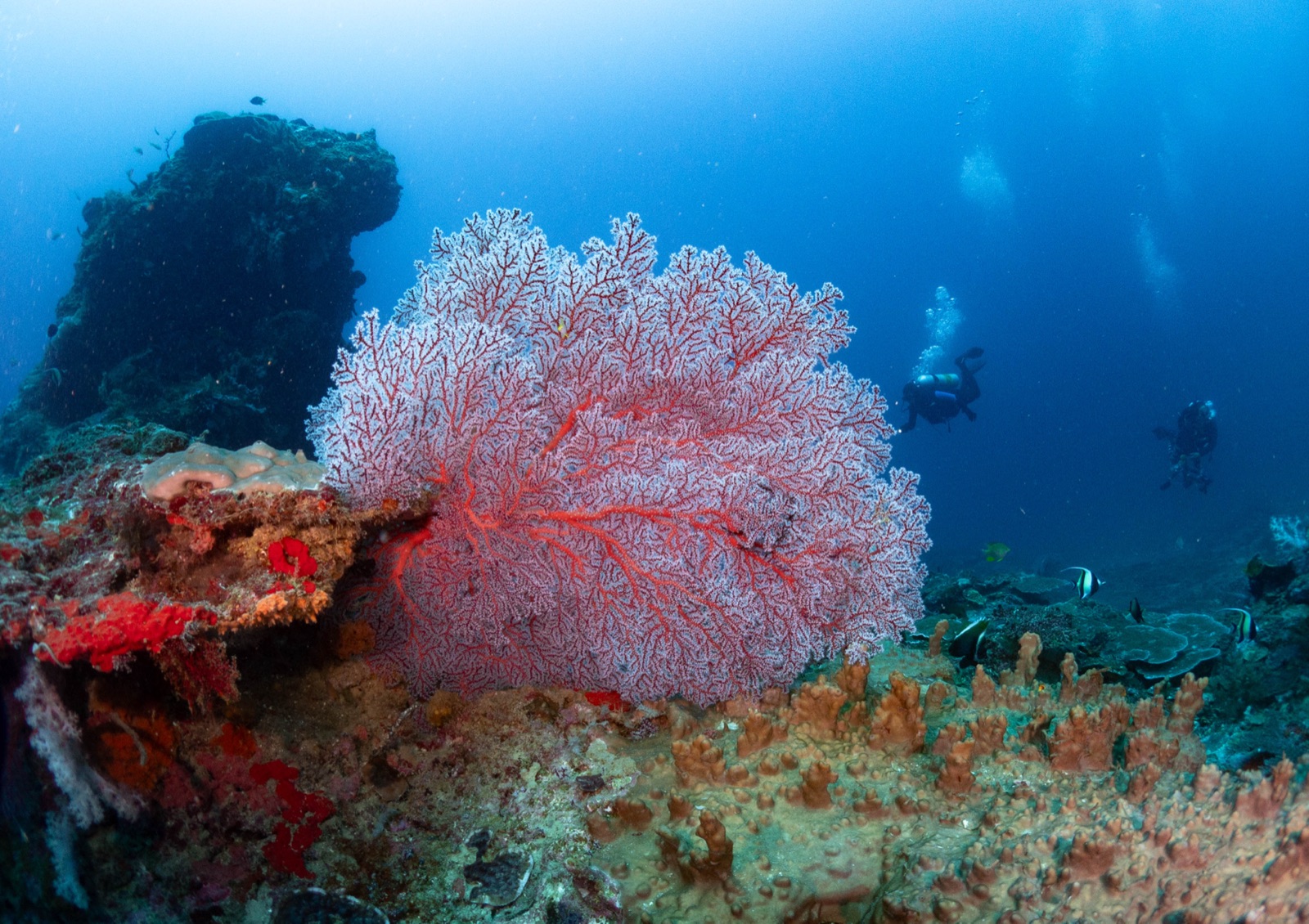
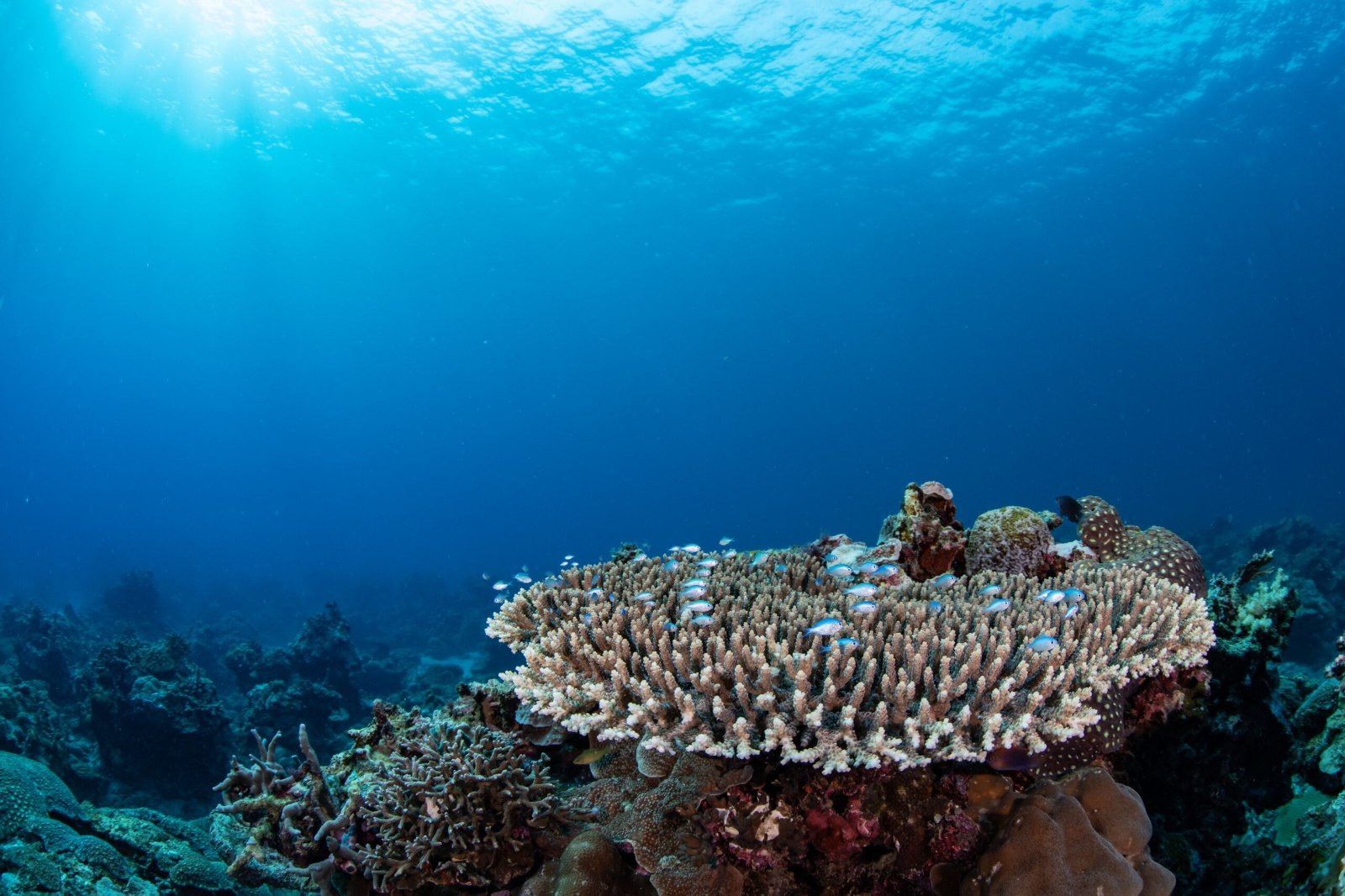
Jonel’s Garden sits at depths of 18 to 25 metres and is defined by islet-like coral formations composed of both hard and soft corals. Swim-through spaces and a wide foliose garden of Montipora corals create a layered underwater landscape, supporting a range of reef species including schools of snappers, barracuda and resident reef fish.
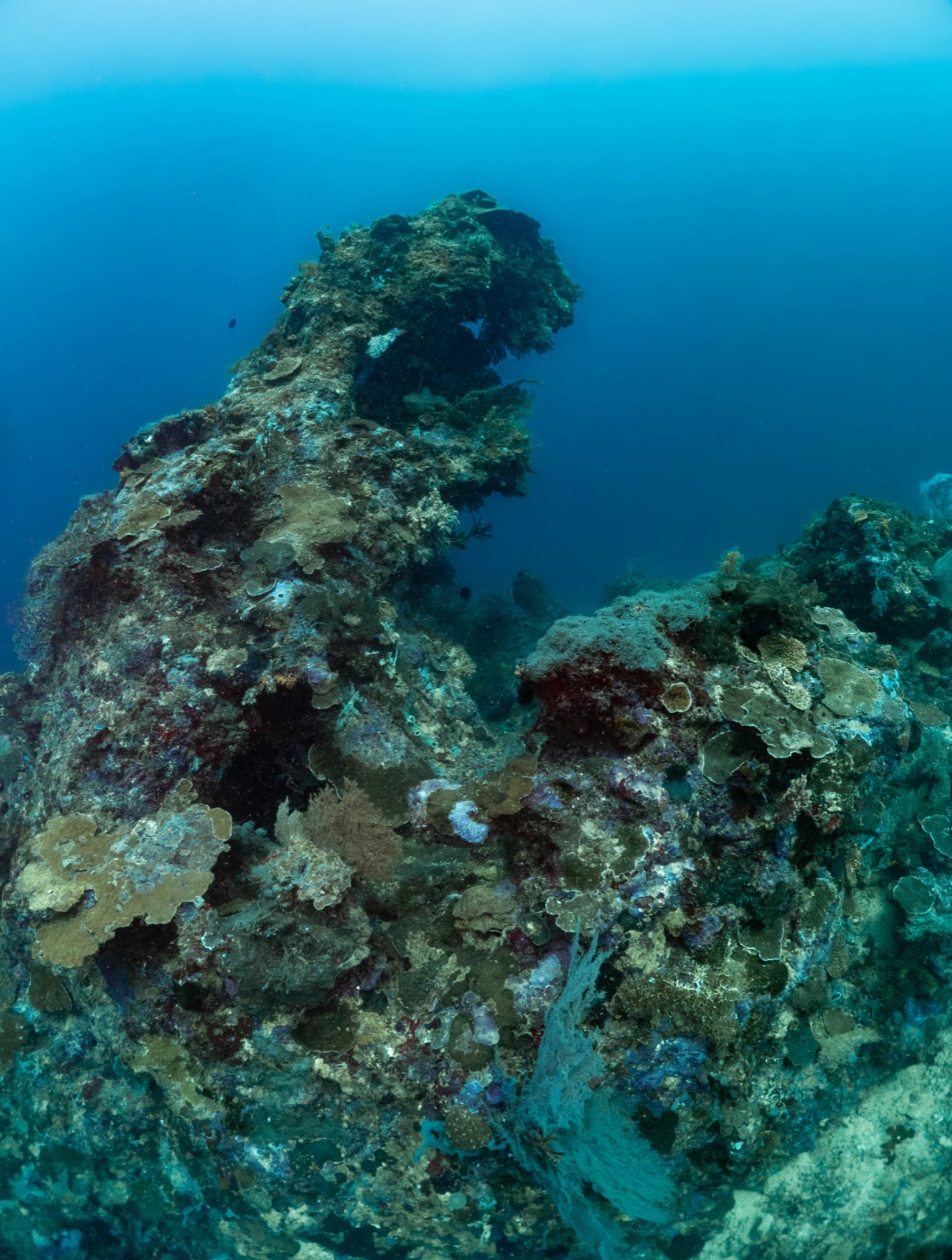
G A P, located slightly deeper at 25 to 30 metres, features large coral structures separated by wide gaps, along with a striking wave-shaped reef pinnacle. The site is known for encounters with large pelagic species, including schools of giant trevally, as well as groupers, emperors and barracuda.
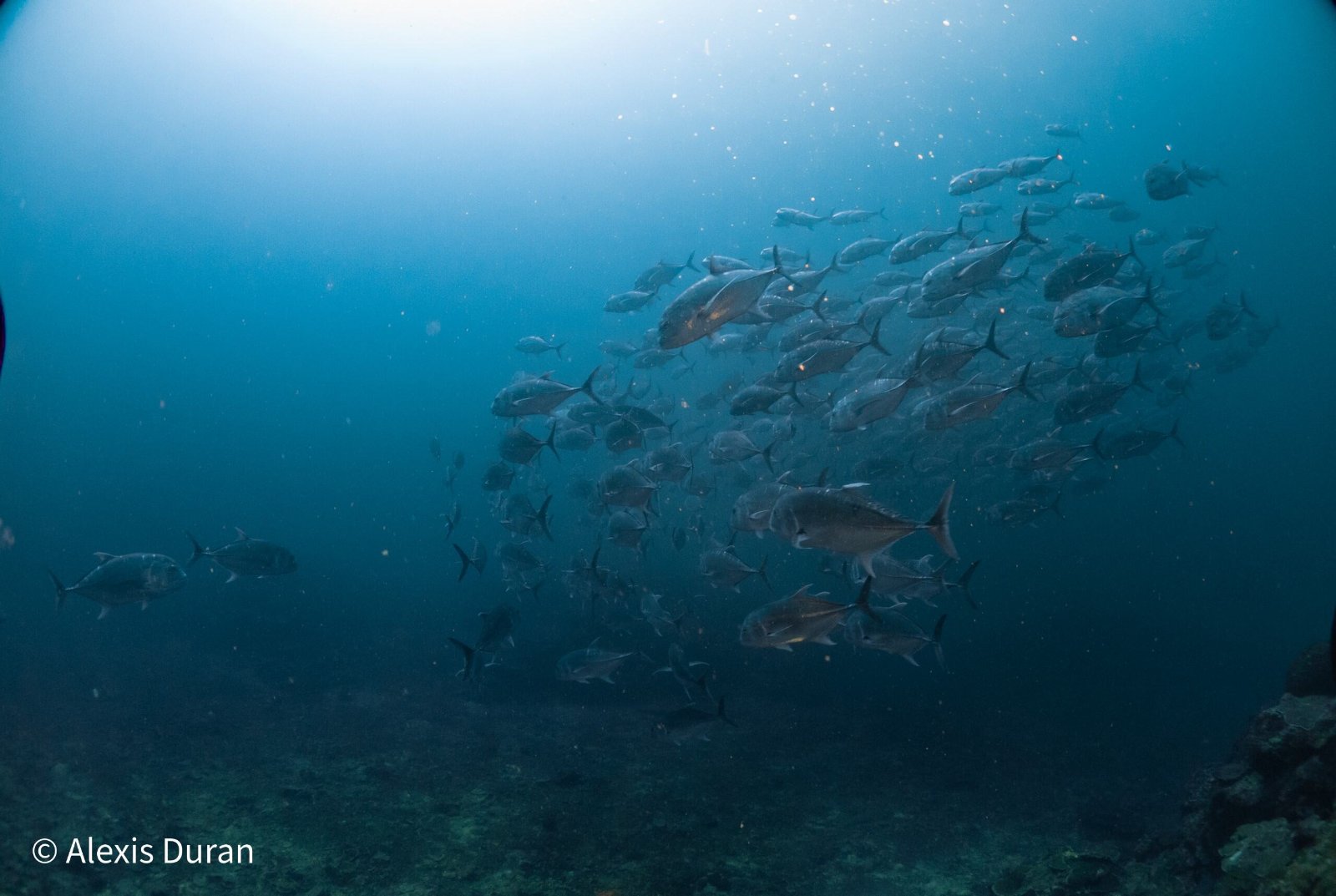
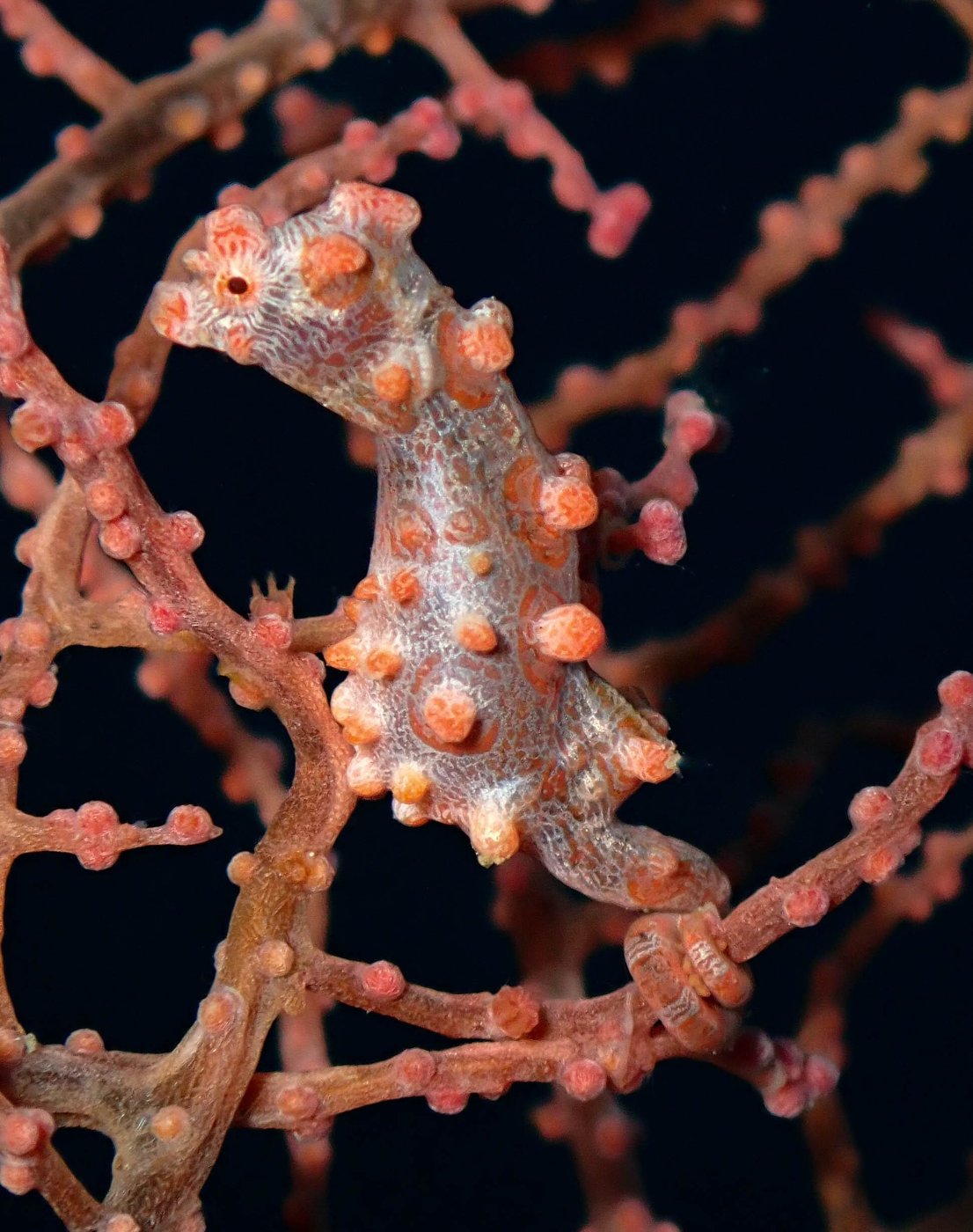
Across both sites, divers can expect to see large green sea turtles, pygmy seahorses, nudibranchs and an abundance of fusiliers moving in dense, shifting formations. The presence of larger predatory fish, increasingly rare in many parts of the region, reflects the relative health and low levels of human impact within these reef systems.
A Rare Glimpse into Intact Reef Systems
The reefs remain among the healthiest in Sipalay, supported by their depth and limited access. While signs of past weather events are still visible, the overall ecosystem continues to sustain strong biodiversity and balanced marine populations.
Diving conditions vary, with visibility ranging from five to 20 metres depending on the season, and optimal conditions typically occurring between April and June. Due to depth and currents, the sites are suited to Advanced Open Water divers and above, with all dives guided by experienced professionals.
“These sites offer something increasingly difficult to find, which is a sense of true exploration,” said Giro Solatorio, General Manager of Manami Resort. “You are not just observing marine life, you are entering a system that feels largely undisturbed. That changes how people experience the ocean.”
Exclusive Access, Guided Exploration
Jonel’s Garden and G A P are exclusively accessible to Manami guests as part of the resort’s marine experiences. All dives are conducted with a strict no-touch, no-take approach, with an emphasis on buoyancy control and responsible interaction to preserve the reef’s condition.
The introduction of these sites builds on Manami’s Reef Retreat programme, further strengthening its positioning as a destination for nature-led, conservation-conscious travel.
Gallery: Manami Resort and Dive Sites
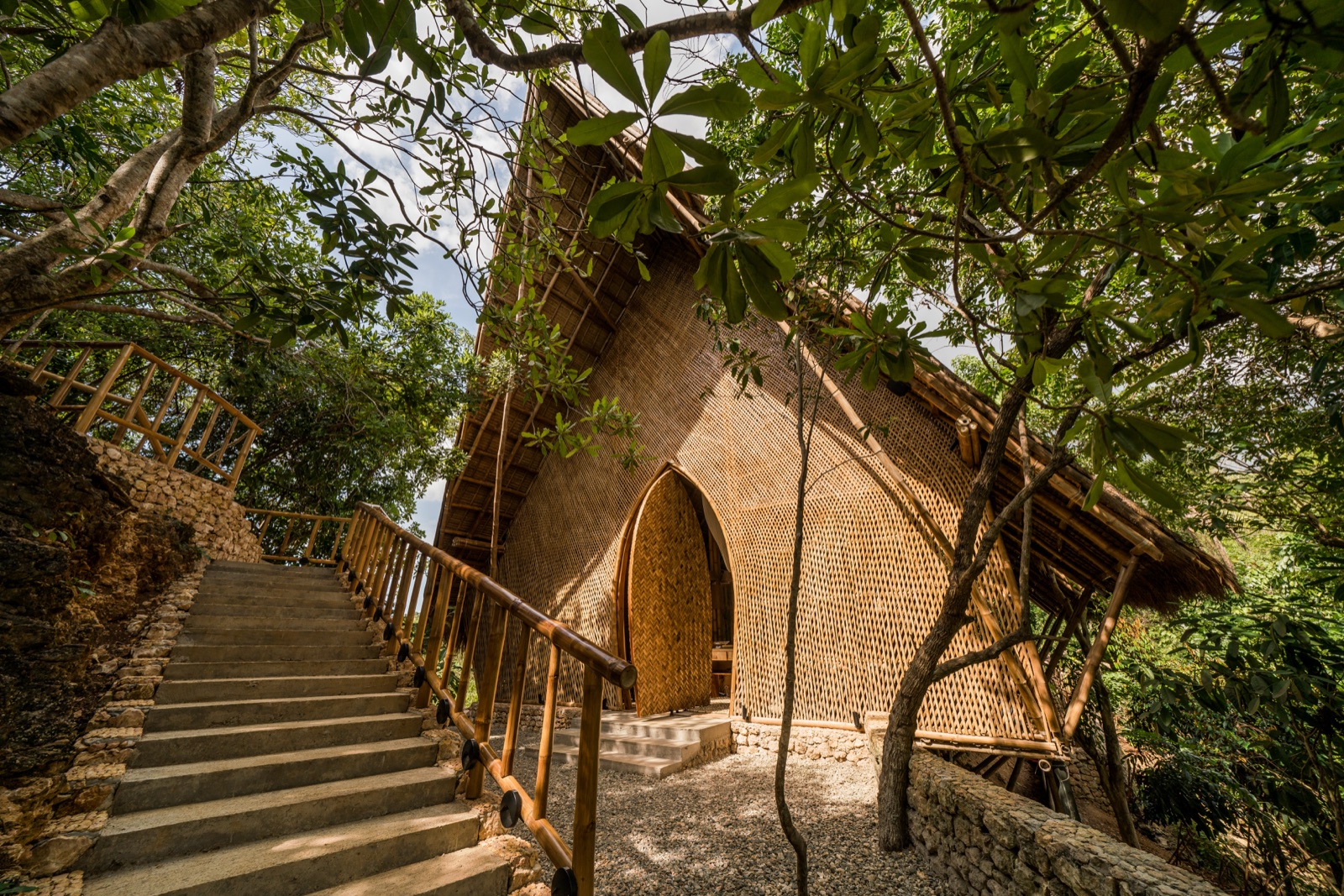
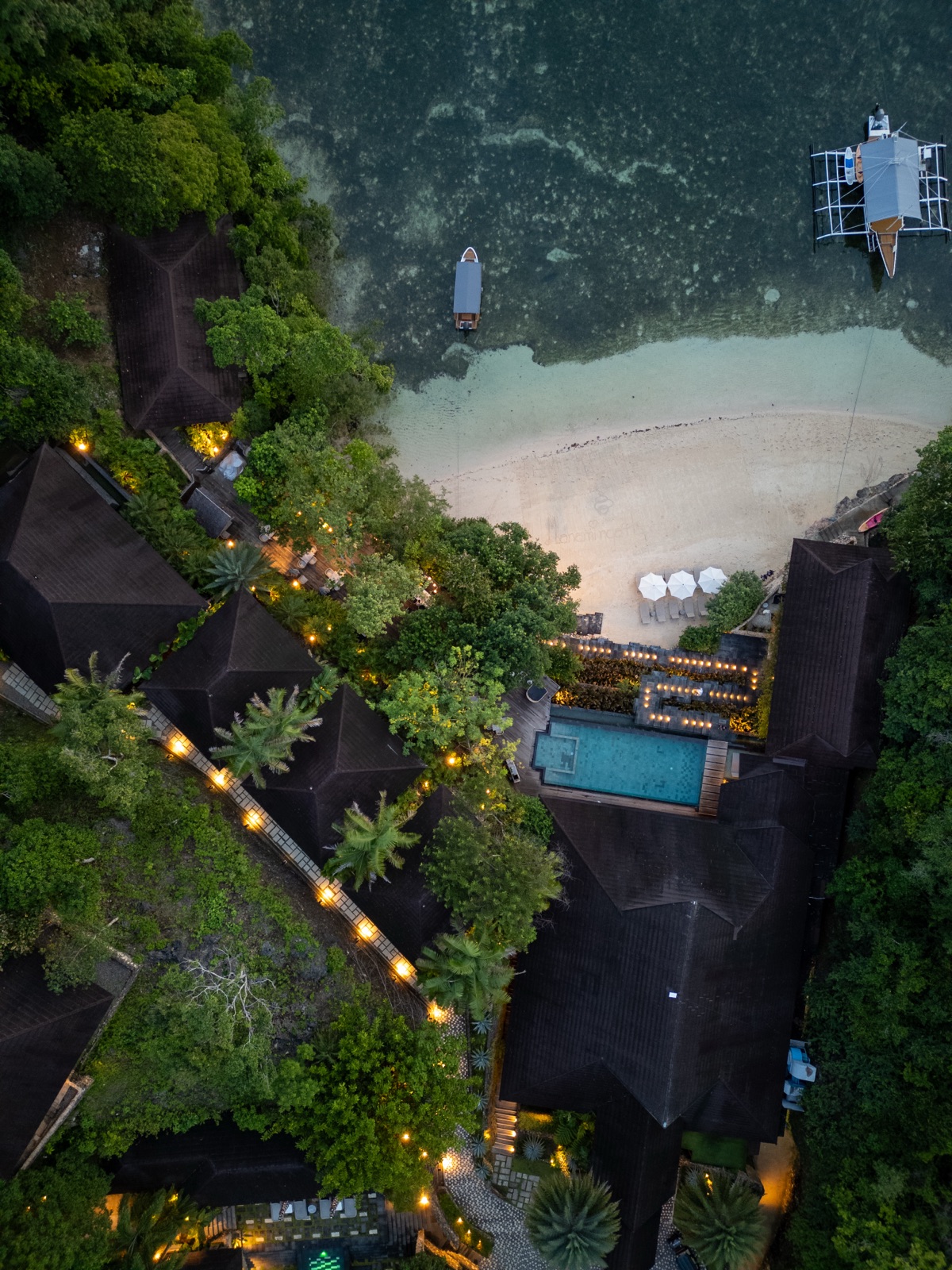
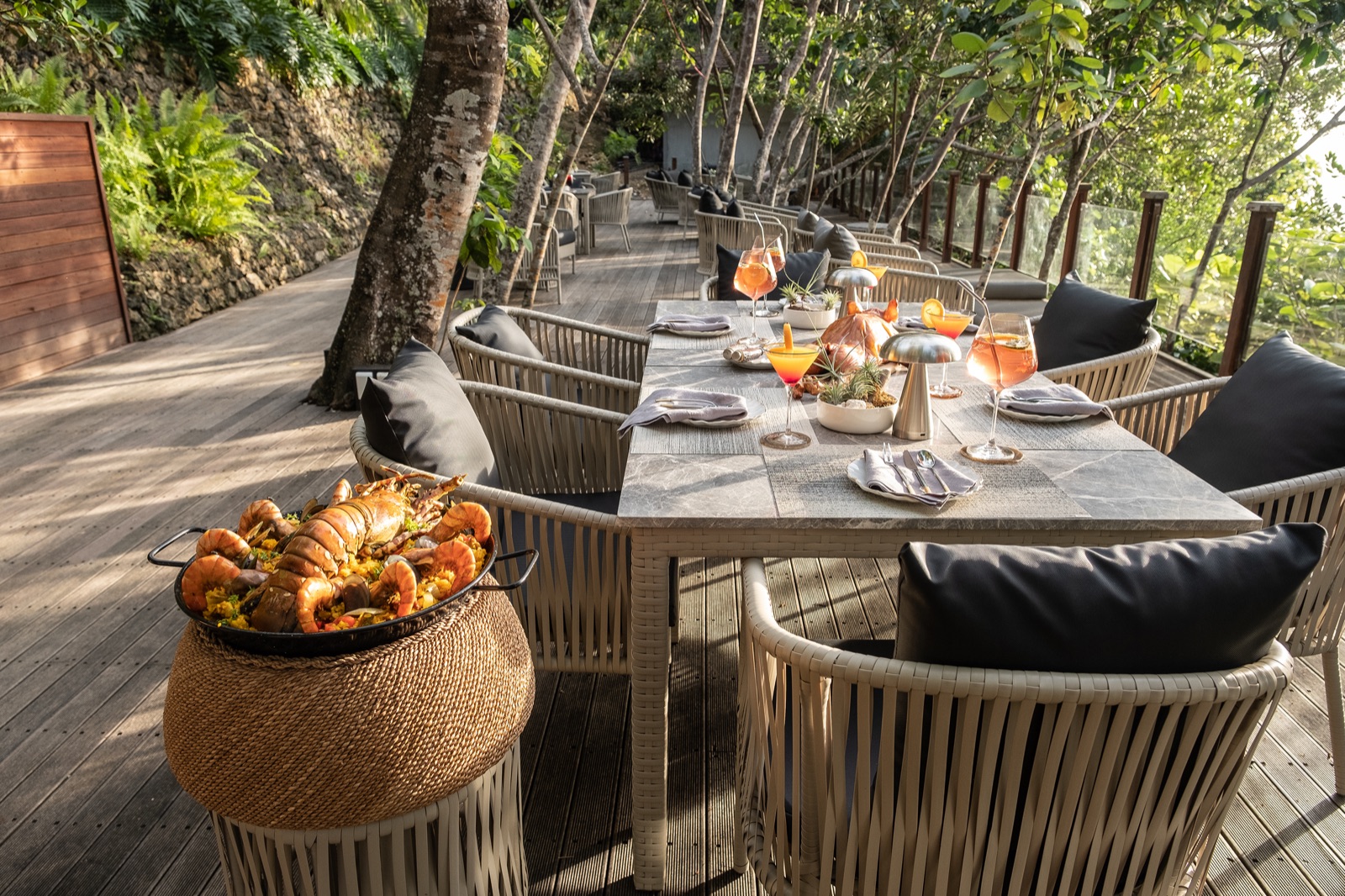
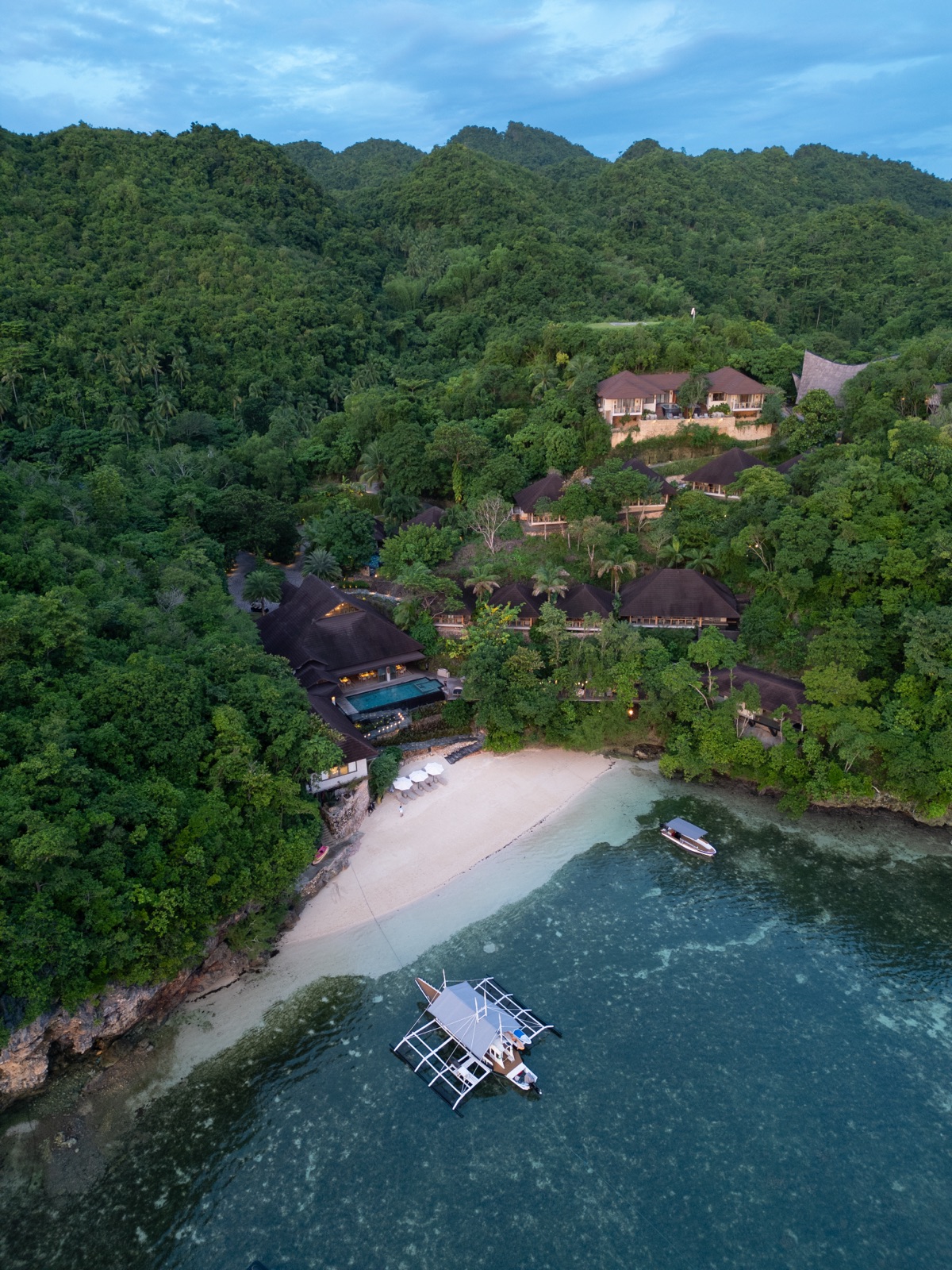
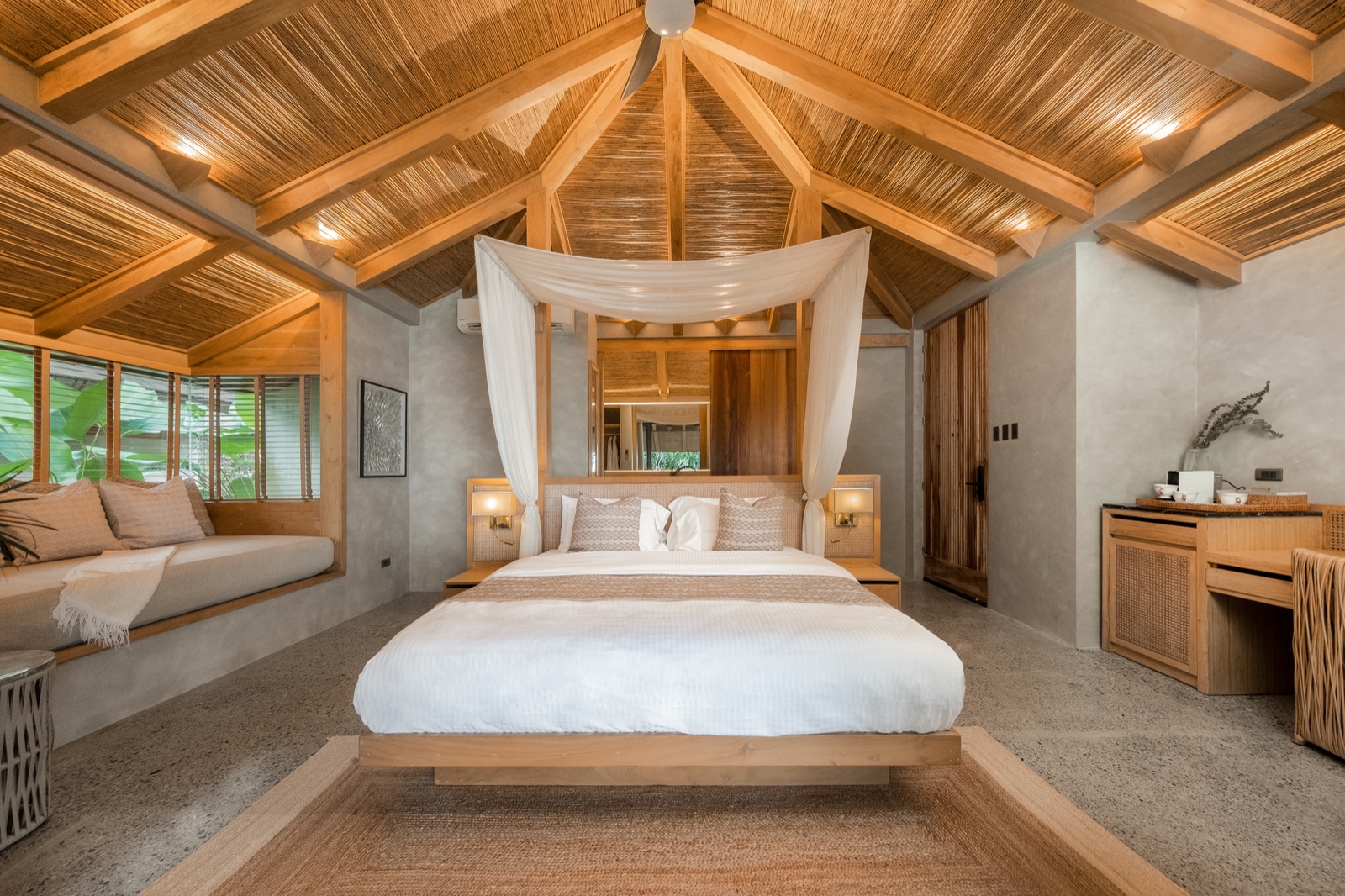
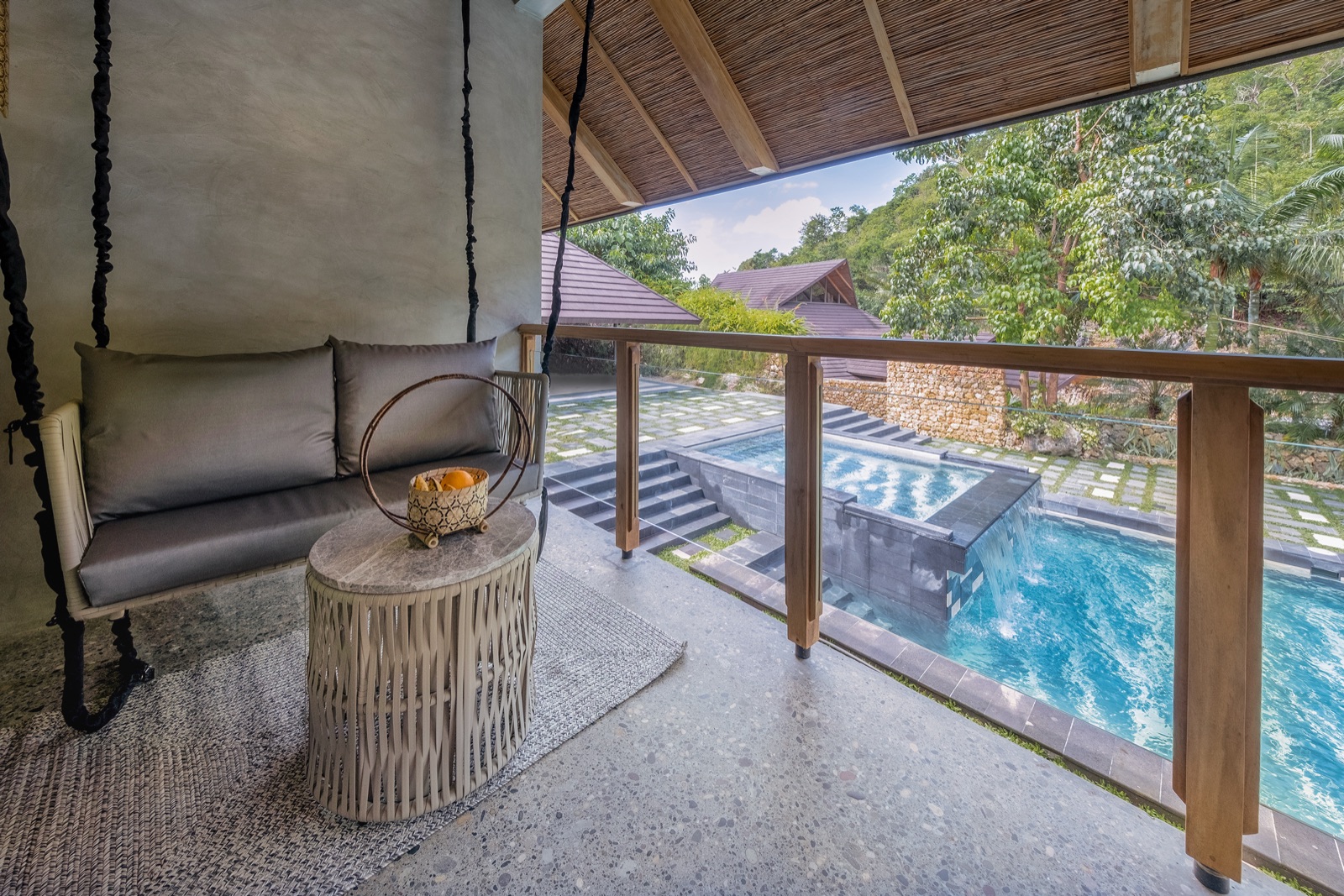
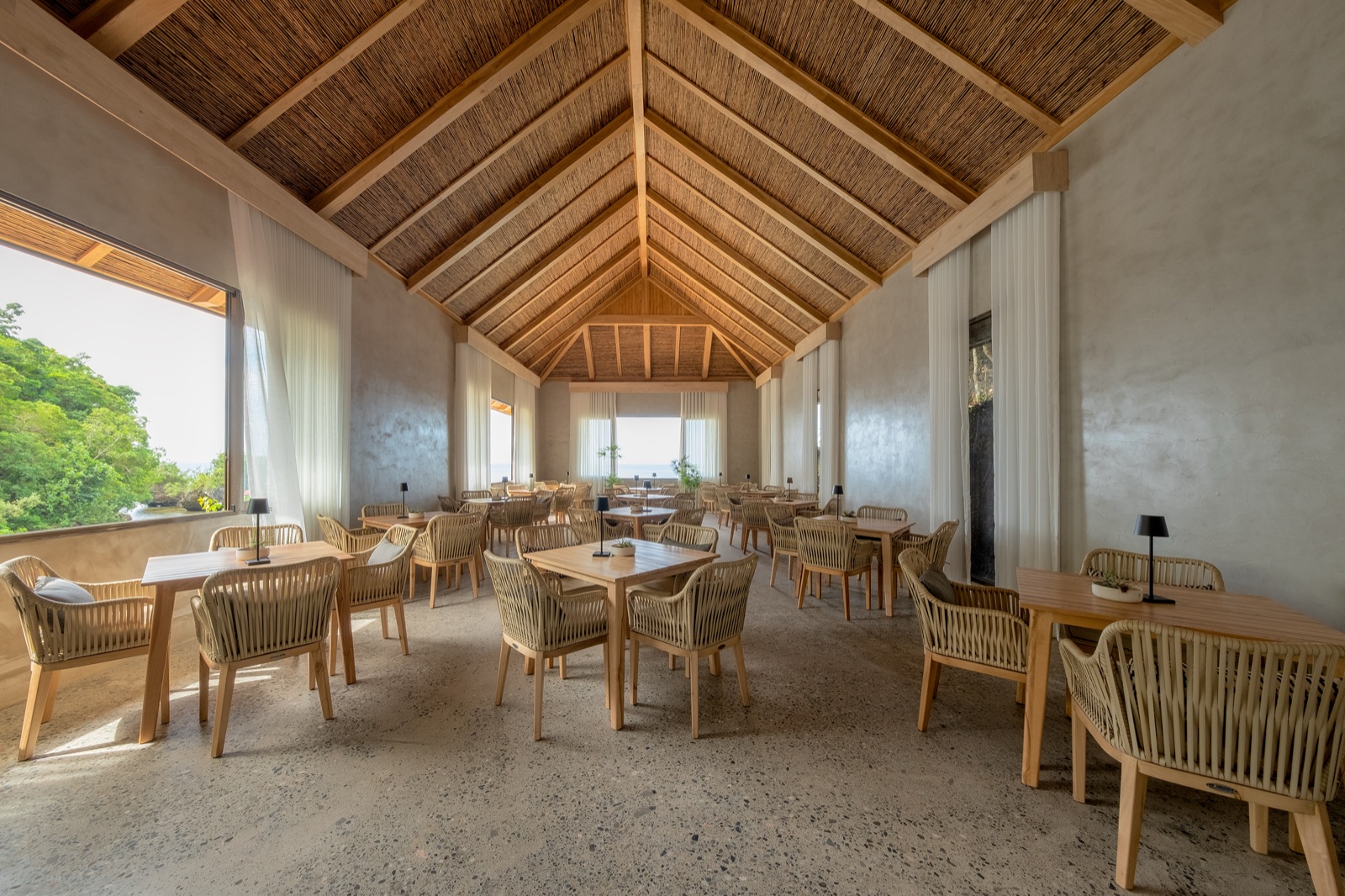
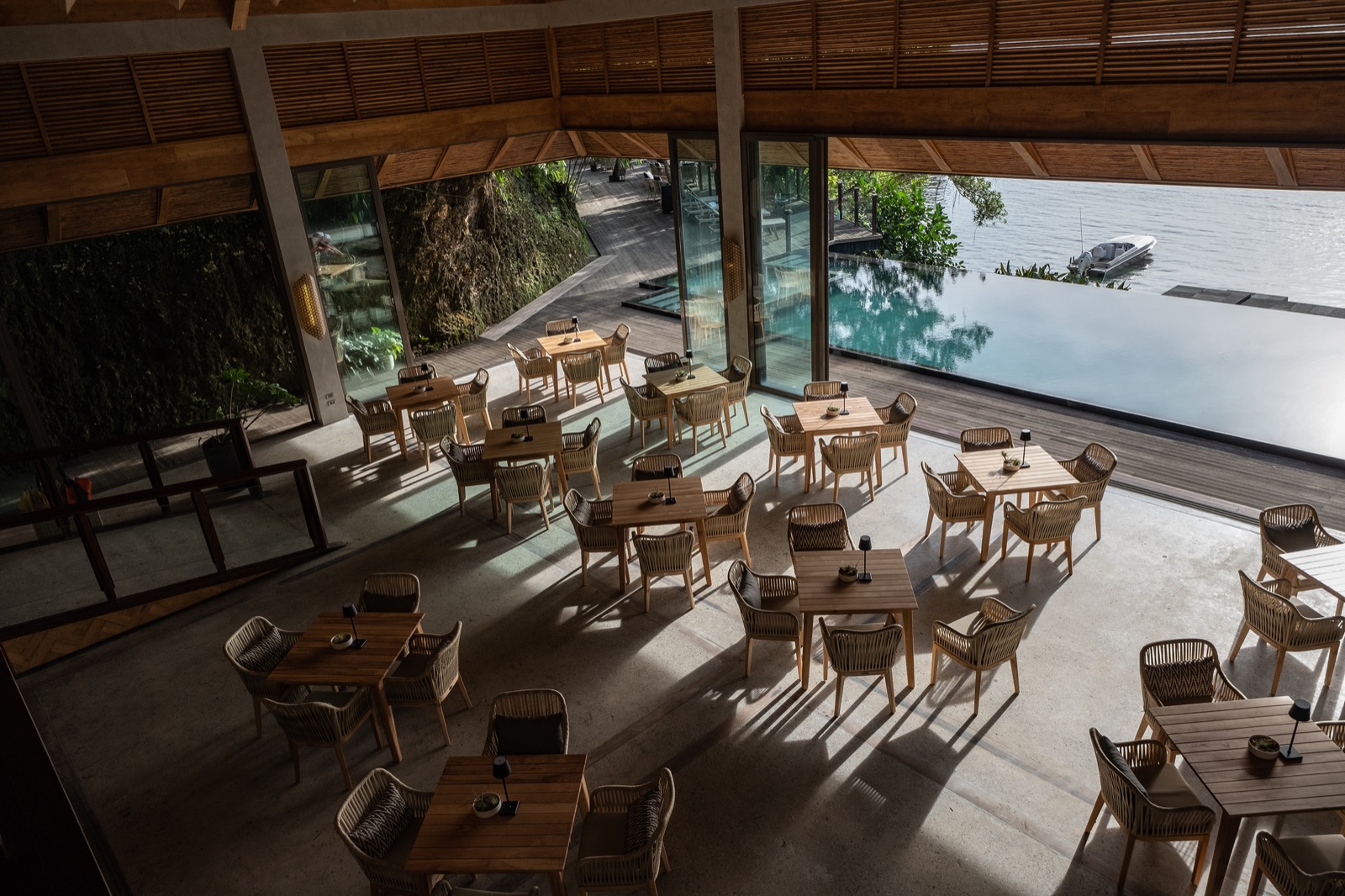
Take a closer look at Manami Resort through these official photos, from its secluded coastal setting and villas to the dining spaces and newly discovered dive sites.